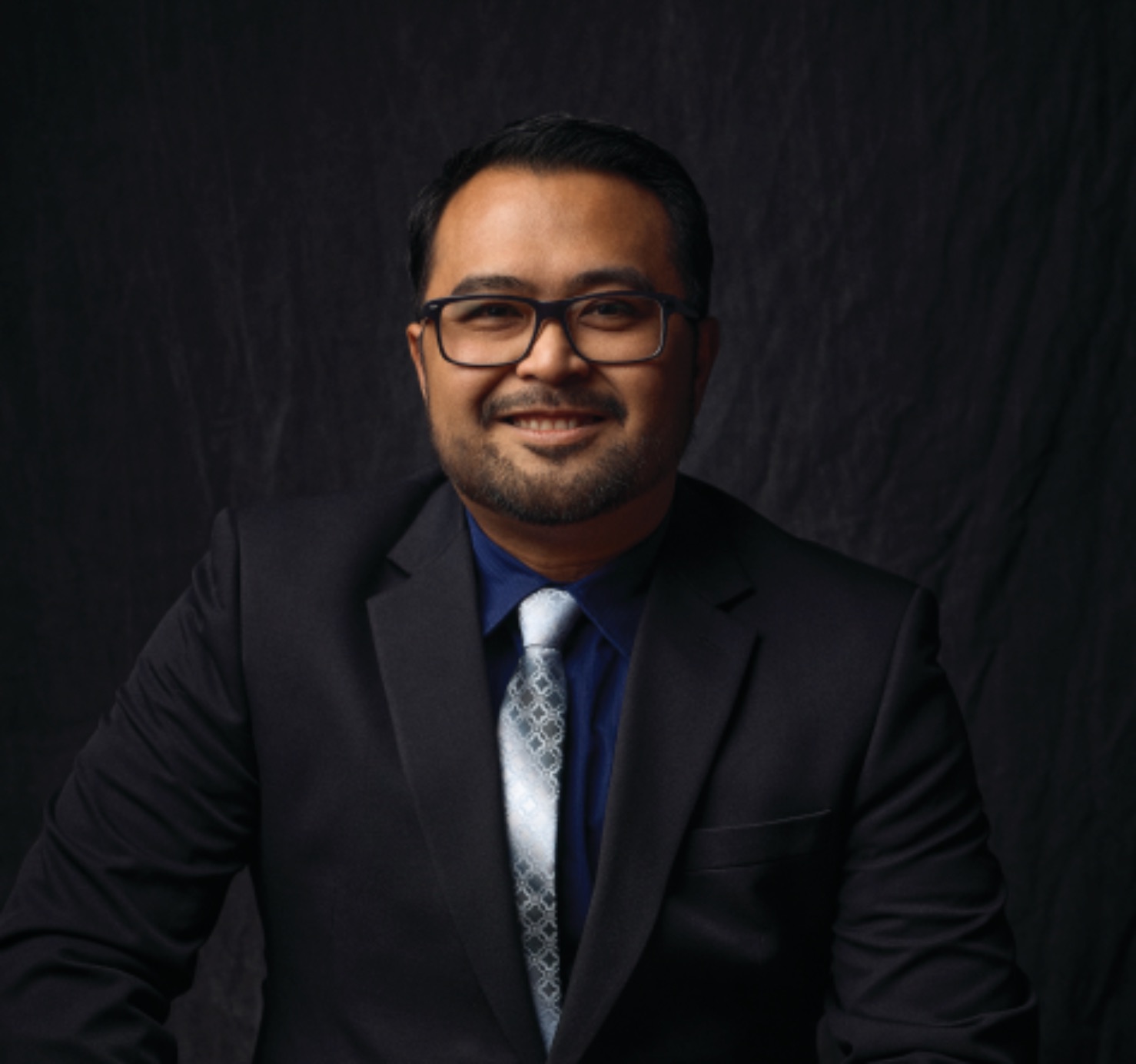
Bryan Cayabyab

Bryan Cayabyab.

BSN · M.S. I/O Psychology · Northeast Wisconsin

I've spent 10+ years inside operations most consultants never set foot in.

I started in nursing, caring for patients with dementia who could not always tell me what was wrong. That taught me to notice what people cannot easily say.

I carried that into manufacturing, where I led HR, finance, and procurement in a 1,300-employee operation across multilingual, multicultural teams. Turnover was 70%. We brought it down to 32%. Not with hype. With clearer systems, stronger leadership, and better operating discipline.

I left my HR Director role to be more present for my kids. Now I build at 4:30 AM before heading to the floor as a CI leader in food manufacturing. Every framework I teach, I still practice.

I'm not advising from a desk.
I'm not advising from memory.
I'm doing this work right now, today.

Career Timeline

STARTED IN

Nursing (BSN)

On the floor. Reading patients with dementia who couldn't tell me what was wrong. Learning to see what people can't say.

EDUCATION

M.S. in I/O Psychology

The study of how people actually behave in organizations. How they make decisions, form habits, resist change, and adopt new systems.

9 YEARS IN

Manufacturing

Training and development to CI Manager to Plant Controller to HR Director. 1,300+ employee operation. Multilingual, multicultural teams.

TODAY

Operations and CI Leadership, Food Manufacturing

Still on the floor. Still practicing every day what I teach.

The discipline behind the work.

Operational Thinking is the lens behind everything I do. It is built from a simple belief: most problems that look like people problems are really system problems.

It draws from systems thinking, decision-making, culture, learning, and practical AI evaluation. But it is not theory for theory's sake. It is the discipline I use to see clearly, decide honestly, and build at the right level.

Every engagement follows four pillars:

Pillar 1

See the System

What is actually happening, and why? Most problems aren't what they look like on the surface. A lot of the time, the issue isn't that something broke. It's that it never existed in the first place.

Pillar 2

Design the Change

What needs to change, in what order, and why that order matters. Sequence is more important than speed. The wrong change in the wrong order creates new problems faster than it solves old ones.

Pillar 3

Right-Size the Solution

Does this need a knife or a chainsaw? Not every problem needs AI. Sometimes the answer is clearer documentation, better training, or stronger leadership structure. I'll show you both paths honestly.

Pillar 4

Transfer the Thinking

Can they do this without me? Using the 4R method (Recognize, Replicate, Refine, Repeat), your team builds real capability, not dependency. If only I understand it, I haven't solved anything.

Community infrastructure, built from first principles.

I helped facilitate a 26-acre land donation and $500K investment to the City of Green Bay through JBS, then served on the seven-person Bloomberg citywide initiative that followed. That initiative brought together 45 nonprofits, and when I saw they had no shared way to coordinate, I built the infrastructure myself: Link Green Bay, a free platform designed to connect 2,100+ organizations across Brown County. It's currently in pilot as I bring partners on board.

I also serve on the board of ACEL and as PTO treasurer.

Every environment has taught me the same thing: the organizations that thrive are not the ones with the best tools. They are the ones whose people see the system clearly and own the work.

Want to see if working together makes sense?